• Welcome to your new Gnomio site

    Now, you are in control!

    Moodle is an open-source Learning Management System (LMS) that provides educators with the tools and features to create and manage online courses. It allows educators to organize course materials, create quizzes and assignments, host discussion forums, and track student progress. Moodle is highly flexible and can be customized to meet the specific needs of different institutions and learning environments.

    Moodle supports both synchronous and asynchronous learning environments, enabling educators to host live webinars, video conferences, and chat sessions, as well as providing a variety of tools that support self-paced learning, including videos, interactive quizzes, and discussion forums. The platform also integrates with other tools and systems, such as Google Apps and plagiarism detection software, to provide a seamless learning experience.

    Moodle is widely used in educational institutions, including universities, K-12 schools, and corporate training programs. It is well-suited to online and blended learning environments and distance education programs. Additionally, Moodle's accessibility features make it a popular choice for learners with disabilities, ensuring that courses are inclusive and accessible to all learners.

    The Moodle community is an active group of users, developers, and educators who contribute to the platform's development and improvement. The community provides support, resources, and documentation for users, as well as a forum for sharing ideas and best practices. Moodle releases regular updates and improvements, ensuring that the platform remains up-to-date with the latest technologies and best practices.

    Links of interest:

    (You can edit or remove this text)

Available courses

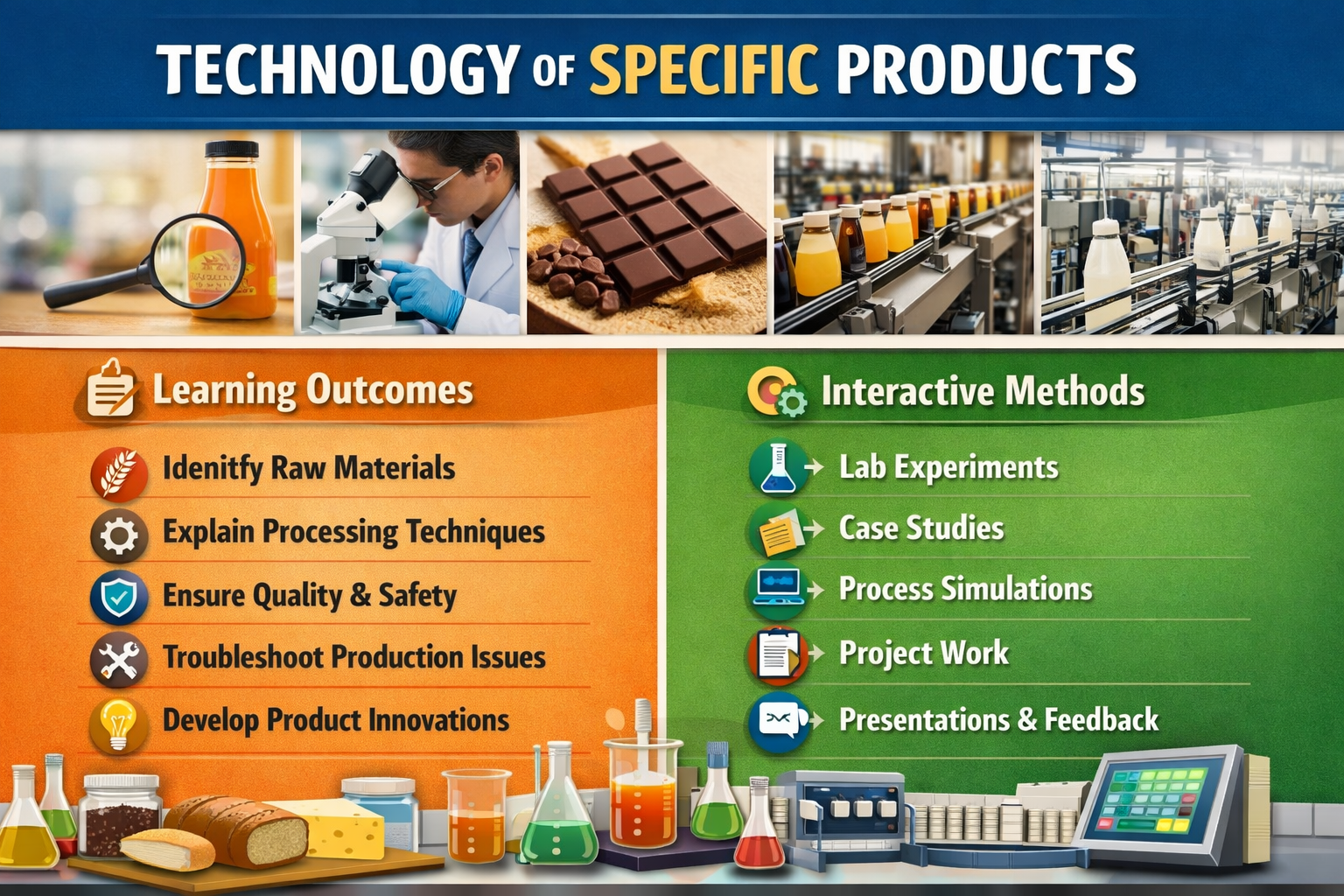
Course Summary: Technology of Specific Products

This course explores the processing, formulation, and quality control of selected products in a given industry, such as food, beverages, or other technical goods. Students learn the principles of raw material selection, production techniques, safety standards, and optimization methods to produce high-quality, safe, and marketable products. The course emphasizes both theoretical understanding and practical skills.

Learning Outcomes

By the end of this course, trainee should be able to:

Identify key raw materials and ingredients used in specific product manufacturing.

Explain the processing techniques and technological steps involved in producing selected products.

Apply quality assurance and safety standards in product development.

Analyze and troubleshoot production challenges in specific product lines.

Develop simple innovations or improvements in product formulation or processing.

Interactive Learning Methods

Laboratory Demonstrations: Hands-on experiments on product formulation and processing.

Group Discussions: Analyze case studies of production challenges or product recalls.

Simulation Activities: Virtual or small-scale simulation of production processes.

Project Work: Design and prepare a sample product following standard protocols.

Peer Review & Presentation: Present product analysis, discuss improvements, and receive feedback.

Do you want me to do that?

Course Summary

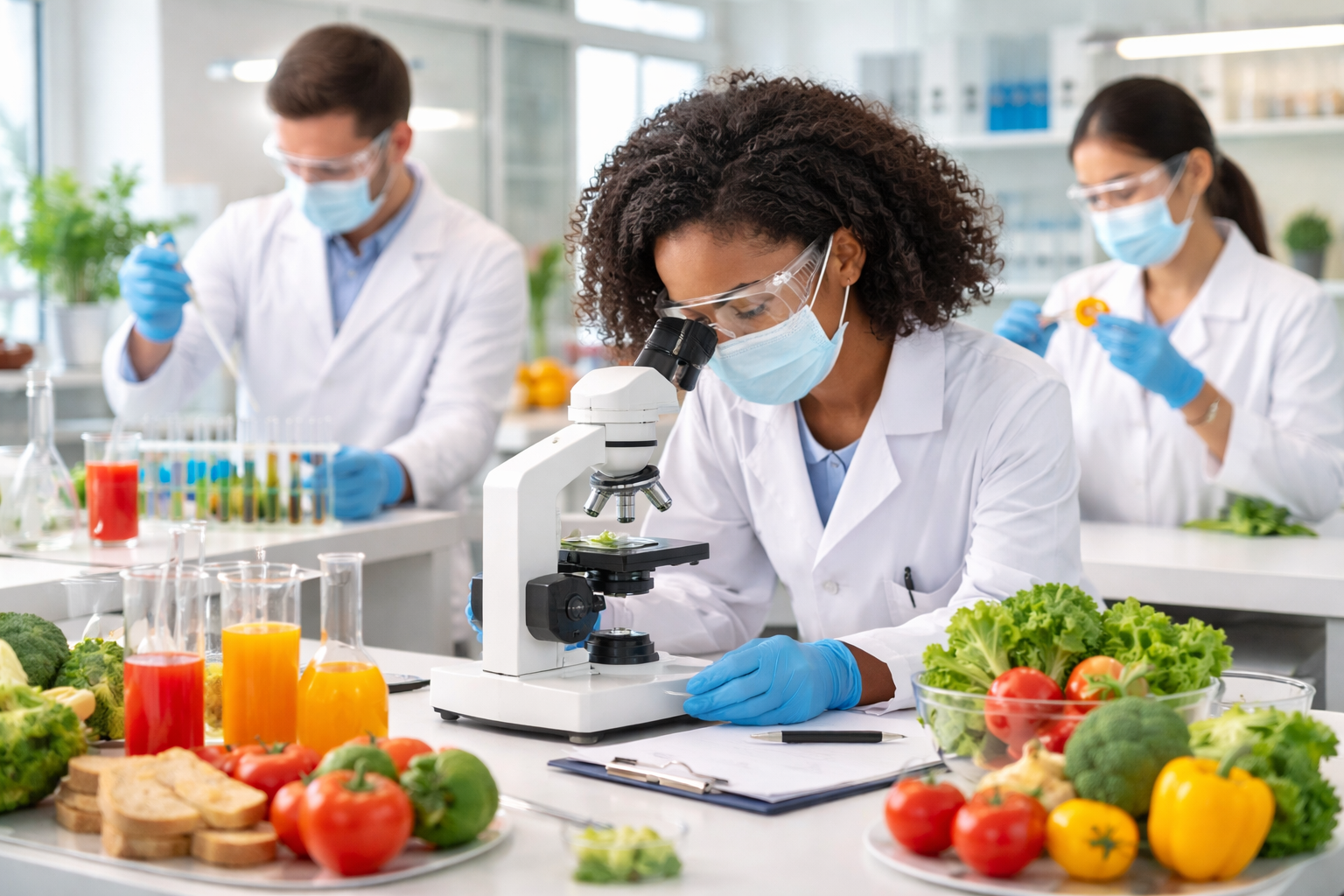
Food Laboratory Practice is a practical course designed to equip learners with hands-on skills in food analysis, quality control, and safety testing. The course focuses on the proper use of laboratory equipment, standard procedures for testing food components, and safe handling of food samples.

Learners gain experience in determining moisture content, protein, fat, carbohydrates, pH, microbial load, and other key food quality parameters. The course also emphasizes hygiene, sanitation, and adherence to laboratory safety protocols, which are essential for accurate results and preventing contamination.

This course prepares students to work effectively in food testing laboratories, quality assurance units, and food processing industries.

Learning Outcomes

By the end of the course, trainees should be able to:

Demonstrate proper laboratory safety and hygiene practices.

Use laboratory equipment and instruments correctly for food analysis.

Perform basic tests to determine the chemical, physical, and microbiological properties of foods.

Interpret and record laboratory results accurately to support food quality and safety.

Apply standard procedures for handling and analyzing different types of food samples.

Key Areas Covered

Laboratory safety and hygiene protocols

Handling and preparation of food samples

Use of laboratory equipment (balances, pipettes, ovens, incubators, pH meters)

Chemical analysis: moisture, protein, fat, carbohydrate, ash content

Microbiological analysis: total plate count, detection of pathogens

Recording and interpretation of experimental results

Quality control and standardization of procedure 

Course Summary

Food Microbiology is the study of microorganisms that affect food quality, safety, and preservation. The course focuses on beneficial and harmful microorganisms found in food, including bacteria, yeasts, molds, and viruses. It examines how these microorganisms grow, survive, and interact with food products during processing, storage, and distribution.

The course equips learners with knowledge and practical skills to control microbial contamination, prevent food spoilage, and ensure food safety in food processing industries. Emphasis is placed on hygiene, sanitation, food preservation methods, foodborne diseases, and quality control systems such as HACCP.

Learners will understand the importance of microbiological testing and apply food safety principles in real-life food production environments.

Learning outcomes,

By the end of the course, trainees will be able to:

Identify major microorganisms associated with food.

Explain factors that influence microbial growth in food.

Apply food safety and hygiene practices in food handling and processing.

Describe methods used to control microorganisms in food.

Key Areas Covered

Introduction to food microbiology

Types of microorganisms in food (bacteria, yeasts, molds, viruses)

Microbial growth and factors affecting growth

Food spoilage and foodborne diseases

Food preservation methods

Sanitation and hygiene in food industries

Hazard Analysis and Critical Control Points (HACCP)

Food Microbiology is essential for food scientists, technologists, and processors because it helps ensure food safety, protect public health, reduce food losses, and improve product quality.

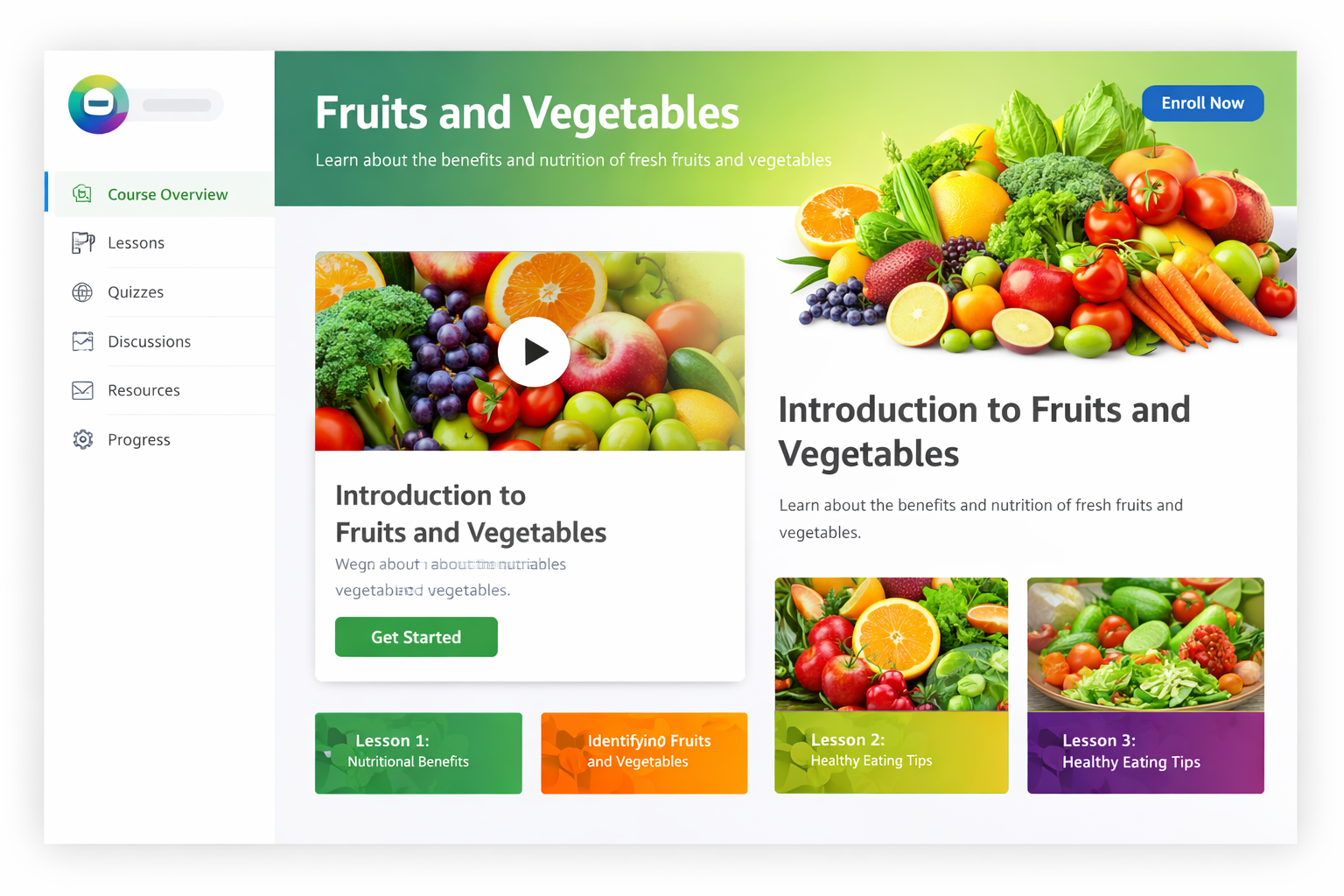
This course introduces the processing of fruits and vegetables, including classification, post-harvest handling, preservation methods, processing steps, quality control, and storage techniques.

Course Title

Beverages

Course Summary

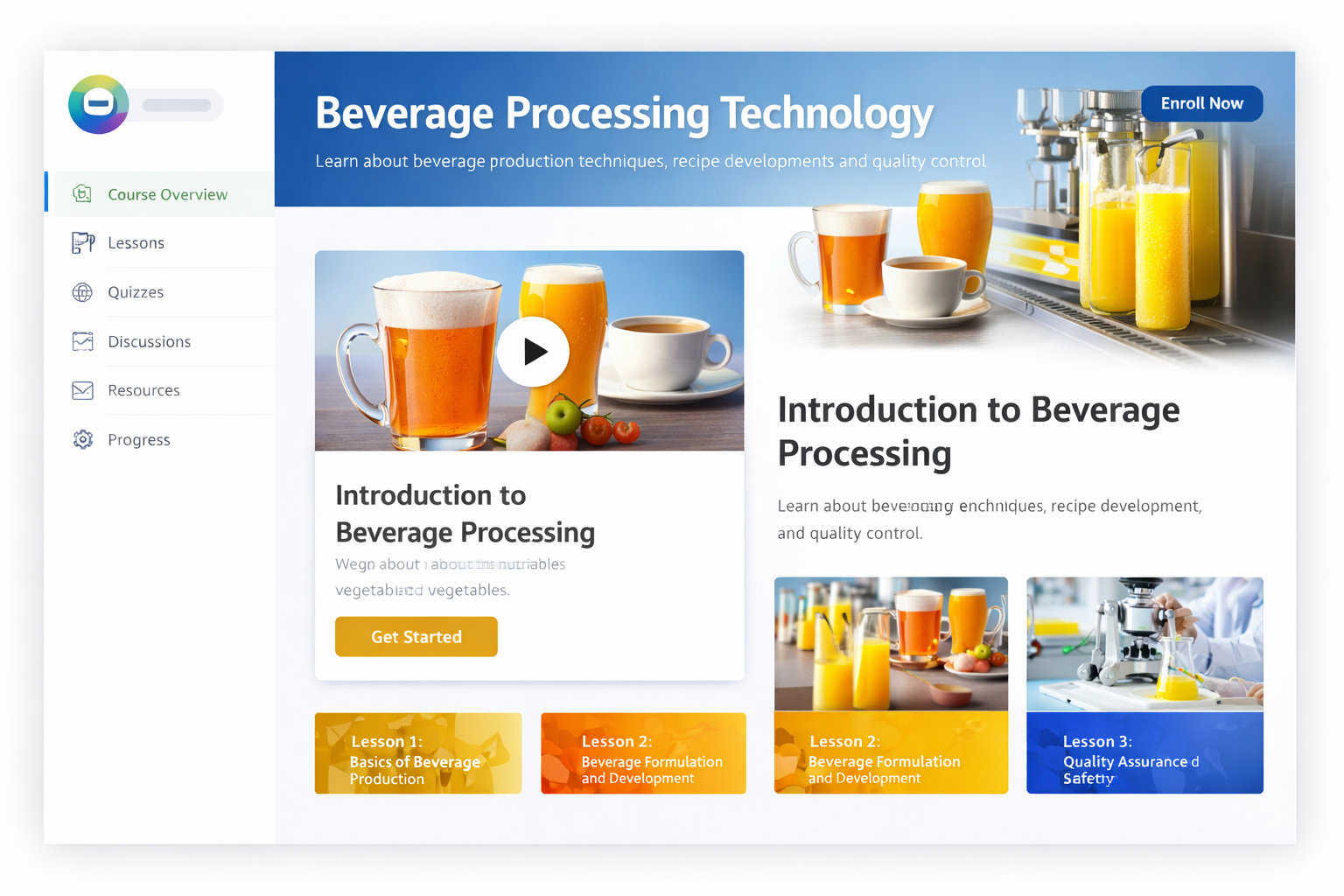
This course introduces learners to the concept of beverages and their importance in food production and hospitality services. It covers the classification of beverages into alcoholic and non-alcoholic types, their ingredients, preparation methods, handling procedures, and basic quality control practices. Learners will understand how beverages contribute to nutrition, refreshment, and customer satisfaction. Emphasis is placed on hygiene, safe preparation, and appropriate service of beverages in domestic and commercial settings.

Sample Learning Outcomes

By the end of the course, trainee should be able to:

Define beverages 

Explain the importance of beverages

Classify beverages into alcoholic and non-alcoholic with examples.

Describe basic methods used in preparing common beverages.

Apply hygiene and safety practices during beverage preparation and service.

Select and serve appropriate beverages to accompany different meals.

Sample Interactive Course Summary

Activity: Beverage Match & Explain

Step 1 – Match (Individual) trainer match beverages to the correct category:

Beverage

Category

Tea

?

Milk

?

Beer

?

Fruit Juice

?

Wine

?

Step 2 – Pair Discussion In pairs, learners discuss:

One alcoholic beverage

One non-alcoholic beverage

Explain preparation and service method.

Step 3 – Class Reflection 

What is a beverage?

What is the main difference between alcoholic and non-alcoholic beverages?

Why is hygiene important in beverage preparation?

Which beverage best accompanies breakfast, lunch, and dinner?

Wrap-Up Statement (Teacher Conclusion)

Beverages are essential in meals because they provide hydration, nutrition, refreshment, and improve dining experience when properly prepared and safely served.